
A Career in Truck Driving: What to Expect and Why It Works
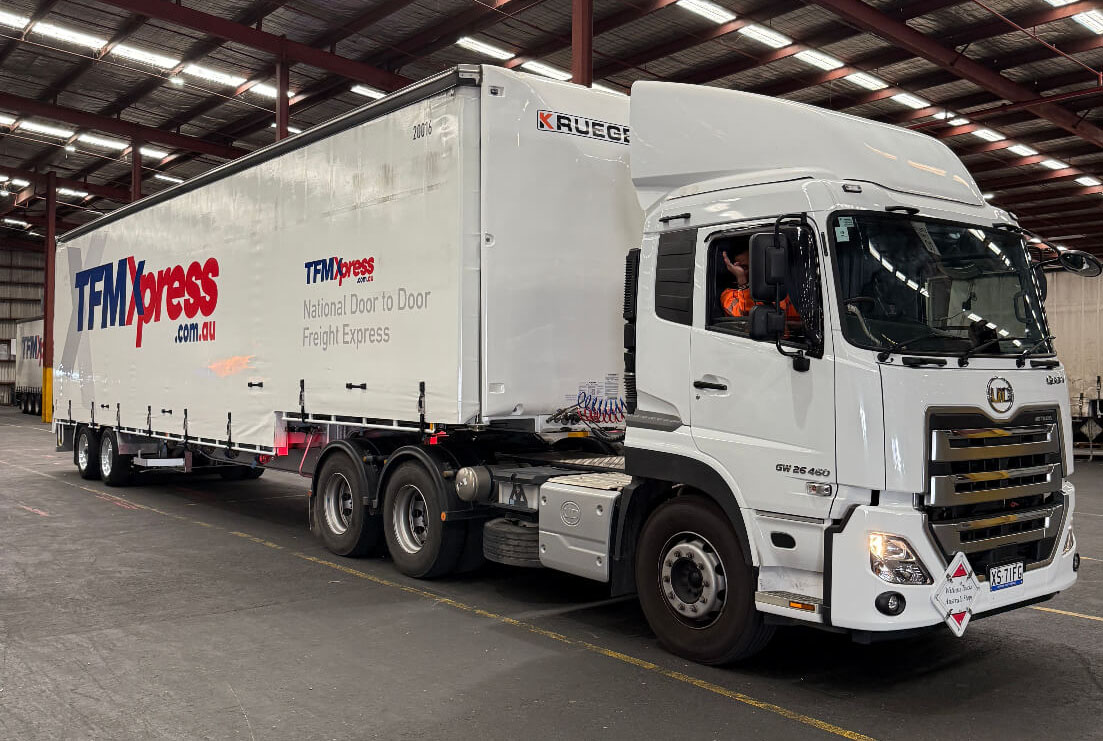
Australia’s freight industry keeps the country running. Every product on a supermarket shelf, every online order at your door, every component in a factory, got there because someone drove it. And the people behind the wheel aren’t just moving boxes. They’re building careers.
If you’re considering a career in freight, curious about what the work involves, or weighing up whether express logistics is the right fit, this guide covers what to expect from freight driver careers Australia and what makes the industry worth joining.
What Does a Truck Driver Actually Do?
The job varies depending on the type of freight operation.
Local delivery drivers operate within a city or regional area, completing multiple pick-ups and deliveries each day. They might drive a van, rigid truck, or small semi, depending on the freight type and volumes. The work involves customer interaction, loading and unloading, and navigating urban streets efficiently.
Linehaul drivers cover long distances, typically overnight, moving freight between depots in different cities or regions. They drive larger vehicles like B-Doubles or B-Triples and may spend several consecutive nights on the road before returning home.
Regional drivers combine elements of both, servicing country towns and rural areas. They might complete local deliveries during the day and shorter linehaul runs overnight.
All truck driving roles require concentration, reliability, and physical capability. Drivers are responsible for their vehicles, their freight, and their safety on the road.
What Qualifications Do You Need?
Entry requirements for truck driving roles depend on the vehicle size.
Light Rigid (LR) licence: Allows you to drive small trucks, typically two-axle rigids with a Gross Vehicle Mass (GVM) over 4.5 tonnes but not exceeding 8 tonnes.
Medium Rigid (MR) licence: Allows you to drive larger rigid trucks with two axles and a GVM over 8 tonnes.
Heavy Rigid (HR) licence: Covers trucks with three or more axles. Many local delivery and regional roles require an HR licence.
Heavy Combination (HC) licence: Allows you to drive prime movers towing a single trailer (semi-trailers).
Multi-Combination (MC) licence: The highest heavy vehicle licence class. Covers B-Doubles, B-Triples, and road trains. Required for most linehaul and interstate roles.
Licence progression takes time and practical experience. Many drivers start with an HR licence in local roles and work toward MC over several years.
Beyond the licence, some driver roles require additional credentials:
- Forklift licence for loading and unloading
- Dangerous goods (DG) certification for transporting hazardous materials
- Fatigue management accreditation for long-distance work
Why People Choose Truck Driving
Truck driving attracts people for different reasons. Some common themes emerge.
Independence
Unlike office or factory work, driving offers autonomy. You’re responsible for your vehicle and your day. For people who value working without someone looking over their shoulder, that independence matters.
Tangible results
Every day ends with deliveries completed, consignments moved, customers served. There’s a directness to the work. You know what you’ve accomplished.
Variety
Routes change, customers differ, and no two days are identical. For people who’d struggle with repetitive work, driving offers enough variation to stay engaged.
Career progression
Freight isn’t a dead end. Drivers progress to higher licence classes, move into linehaul, take on training roles, or transition into operations, dispatch, or fleet management. The industry rewards people who stick around.
Stable demand
Australia needs freight. Online shopping has increased delivery volumes, supply chains have grown more complex, and driver shortages have kept demand strong. For job security, freight driving compares well to many industries.
What Makes a Good Truck Driver?
Successful drivers share certain characteristics.
Reliability: Freight runs on schedules. Drivers who show up on time, complete their runs as planned, and communicate when issues arise are valued.
Safety focus: Heavy vehicles demand respect. Good drivers prioritise safety in their pre-start checks, driving behaviour, and load handling.
Customer service: Local delivery drivers interact with customers regularly. A professional, courteous approach builds relationships and reflects well on the business.
Problem-solving: Delays happen. Addresses are wrong. Traffic snarls routes. Good drivers adapt and find solutions rather than waiting for instructions.
Physical fitness: Many roles involve manual handling: lifting parcels, securing loads, operating tailgates. Maintaining physical capability is part of the job.
Challenges of Truck Driving
The work isn’t for everyone. Honest candidates should consider the downsides.
Early starts and long hours: Local delivery often begins at 5am or earlier. Linehaul involves overnight driving and irregular sleep patterns.
Time away from home: Interstate linehaul drivers may spend several nights per week away from family. This suits some people and doesn’t suit others.
Physical demands: Loading and unloading takes a toll over time. Sitting for long periods can cause back and posture issues without proper care.
Traffic and road stress: Urban drivers deal with congestion, tight delivery windows, and parking challenges. Linehaul drivers face fatigue management on long overnight runs.
Regulatory compliance: Chain of responsibility laws hold drivers accountable for safety. Fatigue management, load restraint, and vehicle roadworthiness aren’t optional.
Career Progression in Freight: Starting as a delivery driver doesn’t mean staying there forever.
Licence progression: Many drivers upgrade from HR to HC to MC, opening doors to higher-paying linehaul and interstate roles.
Training and mentoring: Experienced drivers often move into training roles, teaching new drivers vehicle handling, route planning, and customer service.
Operations roles: Understanding how freight moves from the driver’s seat translates well to depot operations, dispatch, and fleet coordination roles.
Management pathways: Transport supervisors, operations managers, and fleet managers frequently come from driving backgrounds. Industry knowledge matters.
Working at TFMXpress: TFMXpress is an Australian-owned express freight company with depots across the country. We operate a fleet of over 300 vehicles and move parcel and bulk freight nationally.
Our team includes local delivery drivers, linehaul operators, and depot staff working together to keep freight moving. We value experienced drivers and also support people progressing through licence classes.
What we look for in drivers:
- Relevant heavy vehicle licence (HR, HC, or MC depending on role)
- Clean driving record and willingness to undergo pre-employment checks
- Customer-focused attitude and professional presentation
- Reliability and commitment to safety
If you’re interested in freight driver careers at TFMXpress, reach out to our team to discuss opportunities.
Frequently Asked Questions
Entry-level roles typically require a Light Rigid (LR) or Medium Rigid (MR) licence. Most express freight roles need Heavy Rigid (HR) or higher.
Pay varies by role, licence class, and employer. Local delivery drivers typically earn $55,000–$75,000. Experienced linehaul drivers can earn $80,000–$120,000 or more.
Yes. The freight industry has experienced ongoing driver shortages, creating strong demand for qualified candidates.
Yes. Many linehaul drivers started in local roles and upgraded their licences over time.
Hours vary. Local delivery often runs 5am–3pm. Linehaul involves overnight work and extended shifts within fatigue management limits.
Final Thoughts
Truck driving isn’t glamorous, but it’s real. The work matters, the demand is steady, and the career progression is genuine. For people who value independence, tangible results, and job security, truck driver careers Australia offer something most industries can’t: the knowledge that what you do keeps the country moving.